


Myopia Follow-Ups: Measuring Progress Beyond the Glasses Prescription
When a child has myopia, it can be tempting to judge progress only by whether the glasses prescription has changed. Prescription strength is important, but myopia management looks at more than how clearly a child can read an eye chart.
At Salt River Eye Care in Scottsdale, we use follow-up visits to monitor how nearsightedness is progressing over time. These appointments help us evaluate whether the current treatment plan is still appropriate and whether additional changes should be considered.
Why Is the Glasses Prescription Only Part of the Picture?
Myopia, or nearsightedness, usually develops as the eye grows too long from front to back. When this happens, distant objects become blurry because light focuses in front of the retina instead of directly on it.
A glasses prescription tells us how much correction is needed to provide clear vision. However, a child can see clearly through their current glasses while the eyes continue to grow.
That is why myopia follow-ups focus on both vision correction and progression.
What Does Your Eye Doctor Check at a Follow-Up?
A myopia follow-up in Scottsdale may include several measurements and observations, depending on your child's treatment plan. We may review:
Changes in the glasses or contact lens prescription
How clearly your child sees at different distances
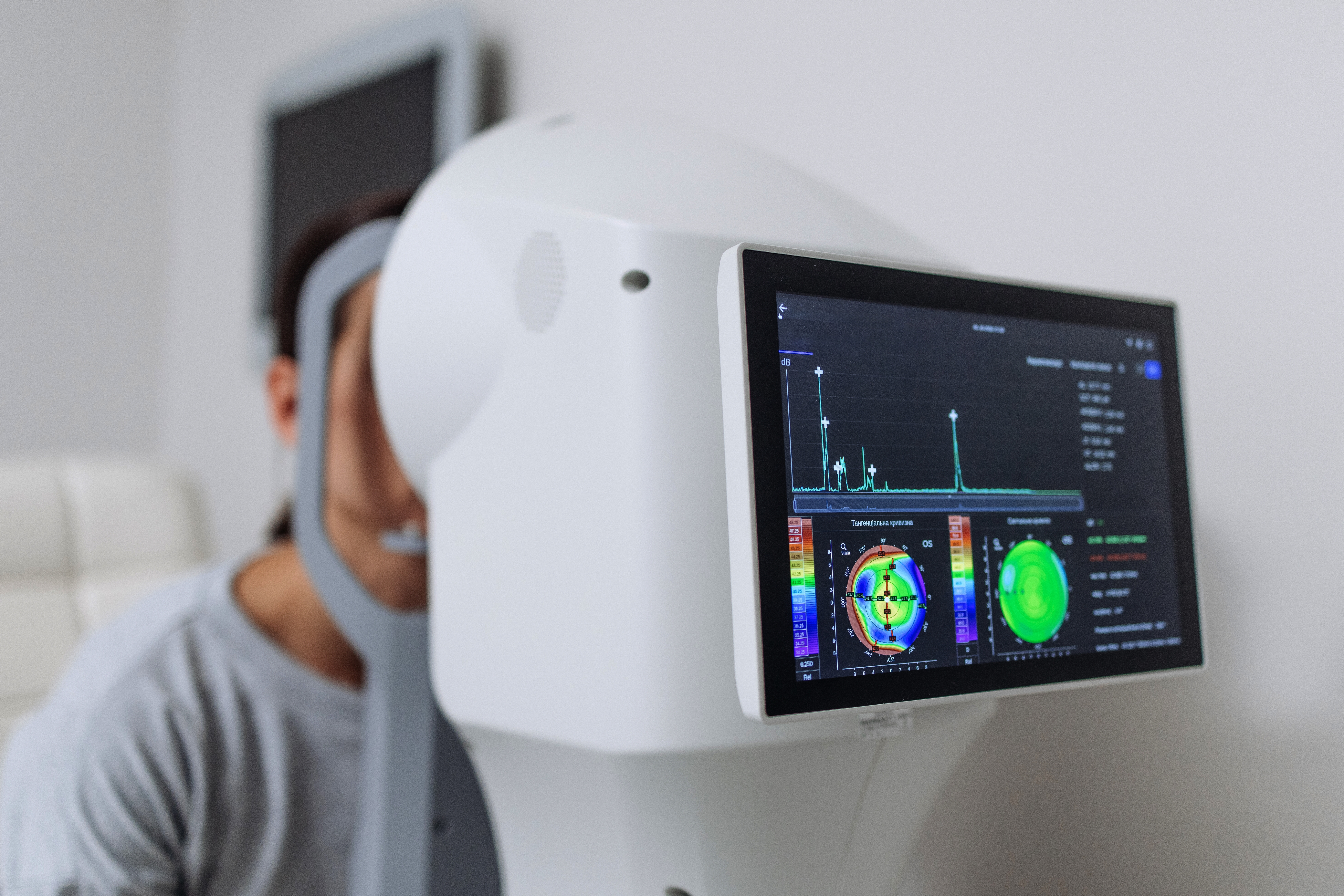
Eye growth when appropriate
Overall eye health
How consistently the prescribed treatment is being used
Comfort and fit if contact lenses are part of the plan
Any new symptoms or changes noticed at school or home
Looking at these findings together provides more useful information than relying on prescription strength alone.
Why Does Eye Growth Matter?
Myopia often progresses as the eye becomes longer. Monitoring eye growth can therefore provide additional information about how the condition is changing.
A prescription may remain relatively stable during one period while eye growth still deserves attention. At other times, both the prescription and eye growth may change.
For Scottsdale families, regular monitoring helps us identify patterns over time rather than drawing conclusions from a single appointment.
How Do Follow-Ups Help Evaluate Treatment?
Salt River Eye Care offers several approaches to childhood myopia management, including MiSight contact lenses, Stellest spectacle lenses, and low-dose atropine eye drops.
These treatments work differently, but they share a common goal of slowing myopia progression rather than simply correcting blurry distance vision.
Follow-up visits give us an opportunity to determine whether a child is using the treatment as directed and whether the overall progression pattern supports continuing the same approach.
If changes are occurring more quickly than expected, the management plan may need to be reassessed.
Does a Stronger Prescription Mean Treatment Failed?
Not necessarily. Myopia management is designed to slow progression, not guarantee that a child's prescription will never increase.
Some progression can still occur even when treatment is helping. What matters is how quickly the eyes are changing over time and how that pattern compares with previous visits.
This is one reason consistent follow-up care is so important. Without regular measurements, it can be difficult to evaluate whether myopia is progressing slowly, rapidly, or remaining relatively stable.
What Should Parents Mention at Follow-Up Visits?
Let us know if your child has started squinting again, moving closer to screens, struggling to see the classroom board, or complaining that current glasses or contacts no longer seem clear.
Also mention any difficulty following the prescribed treatment routine. For example, a child using MiSight contacts may have questions about comfort or wear time, while a child wearing Stellest lenses may not be wearing the glasses consistently throughout the day.
These details can affect how we interpret progress.
Why Ongoing Monitoring Matters
Myopia management is an ongoing process because children's eyes continue developing as they grow. Regular follow-ups allow us to compare current findings with earlier measurements and make informed decisions based on the individual child.
If your child's nearsightedness is progressing or they are already using a myopia-management treatment, contact Salt River Eye Care at 9015 E Pima Center Parkway, Suite 1, Scottsdale, AZ 85258 by calling (480) 278-7732 to schedule a myopia follow-up and review their progress.

Contact Info
Hours of Operation
- Monday 9:00am - 6:00pm
- Tuesday 9:00am - 6:00pm
- Wednesday 10:00am - 6:00pm
- Thursday 9:00am - 6:00pm
- Friday 9:00am - 4:00pm
- Saturday Closed
- Sunday Closed
© 2026 Salt River Eye Care . All rights Reserved. Accessibility Statement - Privacy Policy - Sitemap
Powered by:
