


Blog list
Salt River Eye Care Blog
Learn more about optometrist care in our blog!
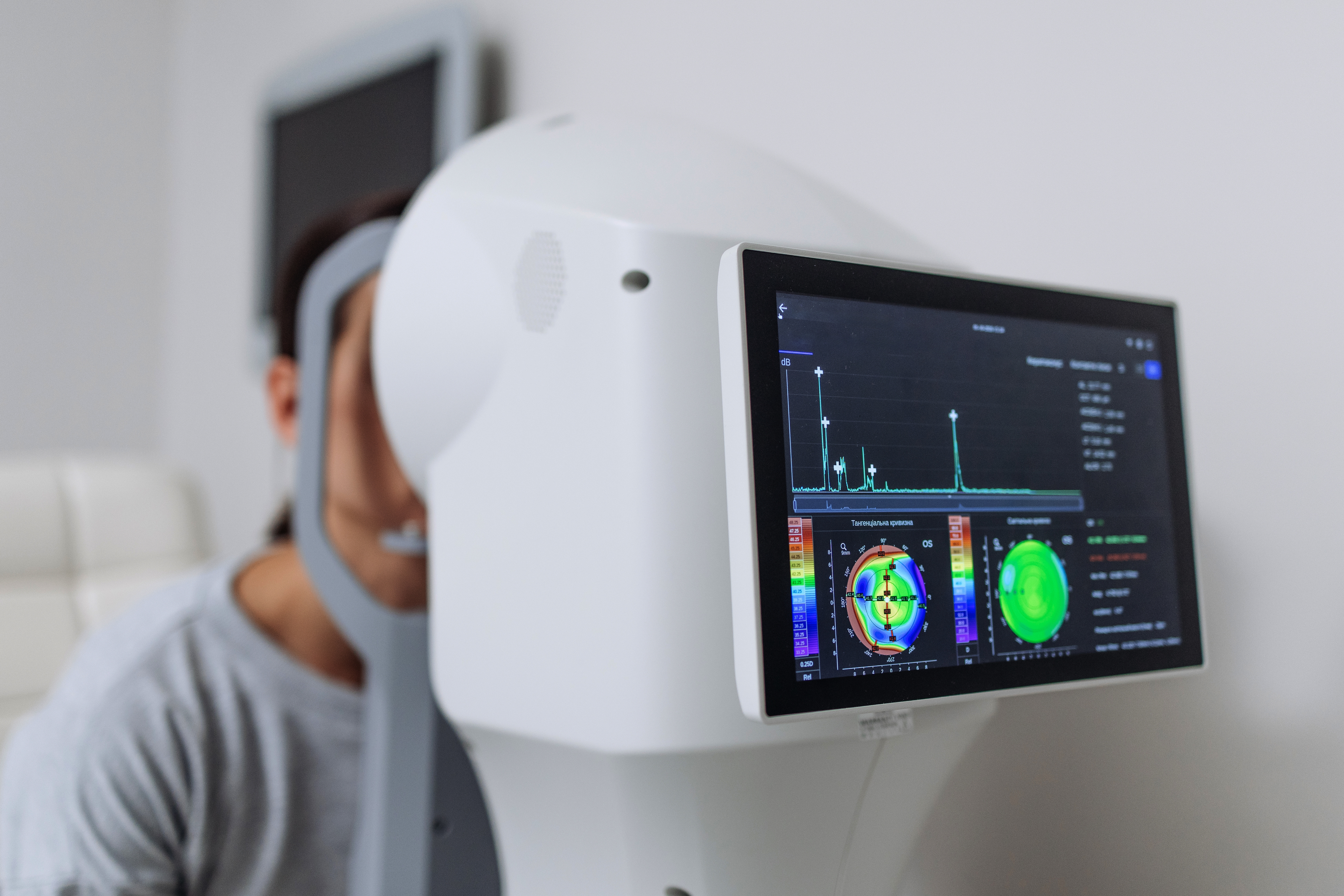
When a child has myopia, it can be tempting to judge progress only by whether the glasses prescription has changed. Prescription strength is important, but myopia management looks at more than how clearly a child can read an eye chart.

By mid-afternoon, many Scottsdale desk workers notice their eyes starting to feel tired, dry, blurry, or irritated. Hours of computer use can place sustained demands on the visual system, while air conditioning and bright office lighting may make discomfort more noticeable.

The school year brings long days of reading, computer work, tablets, homework, and outdoor activities. For children in Scottsdale, those visual demands are combined with Arizona’s intense sunlight and dry desert environment. Taking a few simple steps can help reduce eye strain, protect developing eyes, and make it easier for children to stay comfortable and focused throughout the school year.
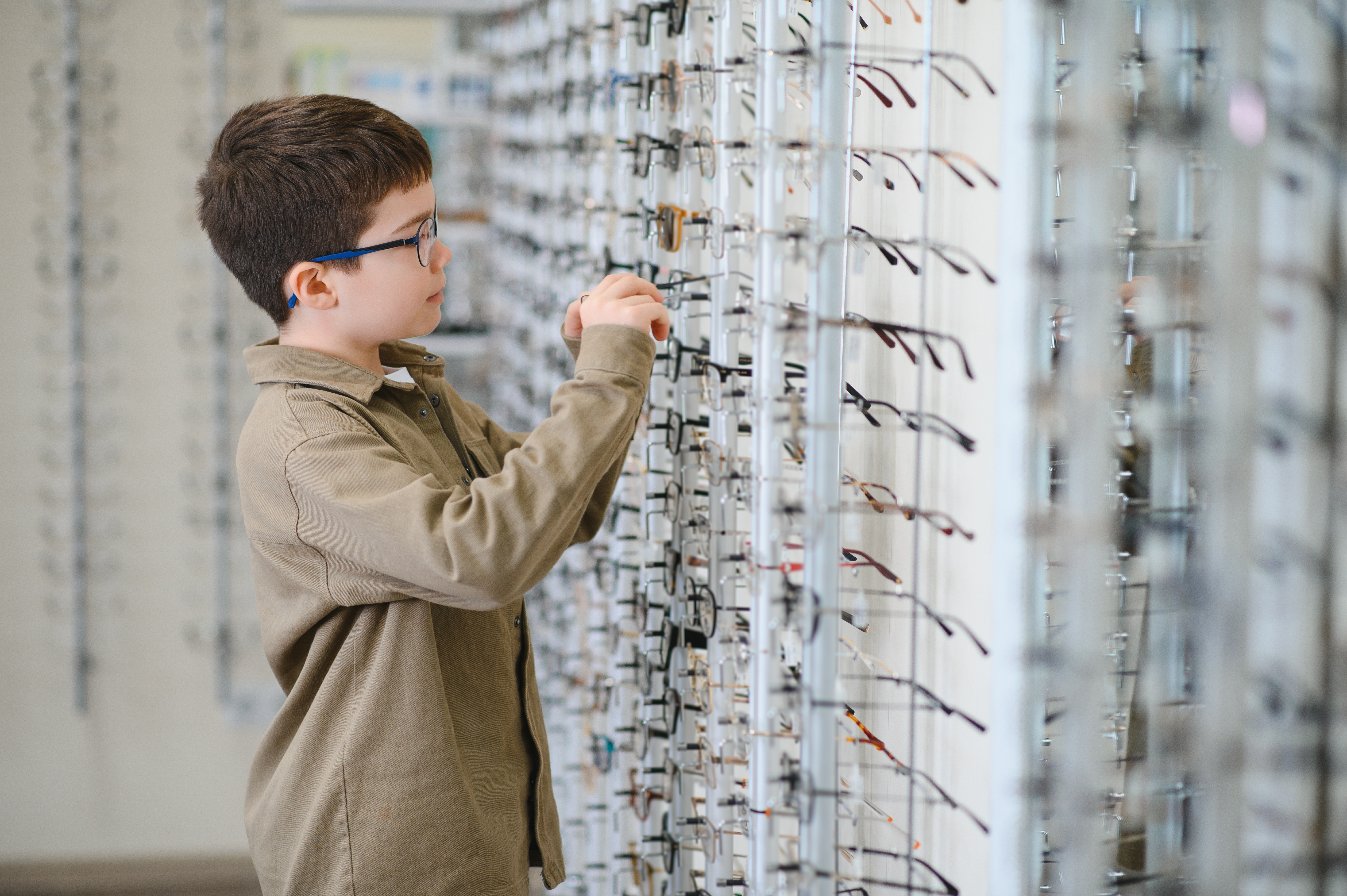
Stellest Spectacle Lenses vs. Standard Glasses: What is the Long-Term Value for Your Child’s Vision?
When a child is diagnosed with myopia, standard glasses can make distant objects clear again. However, they typically do not address the ongoing progression of nearsightedness. For Scottsdale families concerned about a child’s changing prescription, Stellest spectacle lenses offer a different approach by combining clear vision correction with technology designed to slow myopia progression.
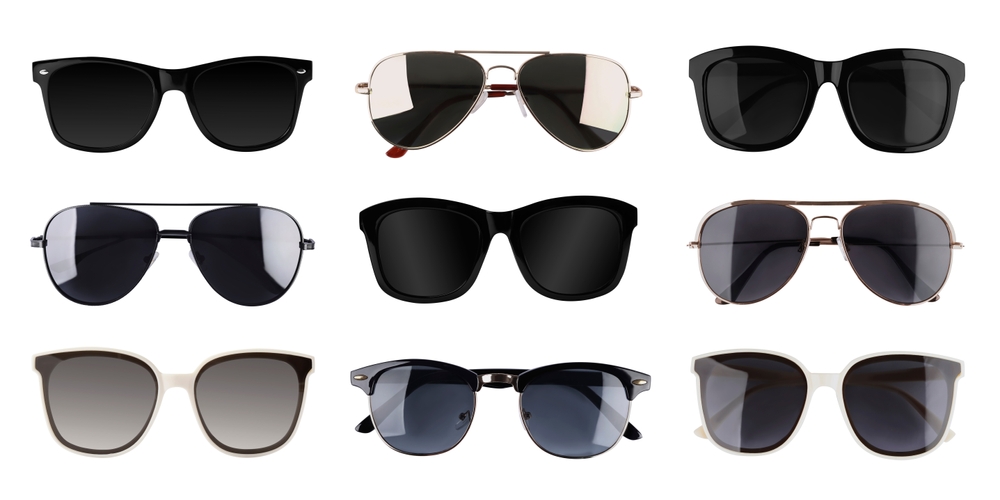
Arizona sunshine is part of everyday life, but repeated exposure to ultraviolet radiation can affect more than the skin. The eyes absorb UV rays during driving, outdoor exercise, sports, pool days, and routine errands. Because UV damage can build gradually, protecting your eyes should be a daily habit rather than something reserved for vacations.

Scottsdale’s dry, dusty climate can make contact lens wear challenging, especially for patients who already deal with dry eye, irritation, allergies, or irregular corneas. At Salt River Eye Care, we help patients find contact lens options that support clearer vision and lasting comfort in Arizona conditions.

Regular prescription glasses are designed to correct blurry distance vision caused by myopia, also known as nearsightedness. They help light focus properly on the retina so a child can see more clearly at school, while playing sports, or during everyday activities.

When a child’s nearsightedness keeps getting worse, stronger glasses are not always the only answer. Myopia management focuses on slowing progression, which can help support clearer vision now and better eye health in the future. Early care can make a meaningful difference as a child’s eyes continue to grow.

Daily atropine eye drops are often prescribed as part of myopia management for children with nearsightedness. The goal is not to eliminate glasses, but to help slow how quickly myopia progresses over time. This matters because higher levels of myopia can increase the risk of future eye health concerns.

If your child has been diagnosed with myopia (nearsightedness), you may have already learned that stronger glasses each year aren’t the only option. Today, families have access to advanced myopia management treatments designed not just to correct blurry distance vision - but to slow the progression of myopia itself. Two of the most talked-about options are Stellest lenses and MiSight contact lenses. At Salt River Eye Care, we help families understand the differences so they can choose the solution that best fits their child’s lifestyle, comfort level, and long-term eye health goals.

Contact Info
Hours of Operation
- Monday 9:00am - 6:00pm
- Tuesday 9:00am - 6:00pm
- Wednesday 10:00am - 6:00pm
- Thursday 9:00am - 6:00pm
- Friday 9:00am - 4:00pm
- Saturday Closed
- Sunday Closed
© 2026 Salt River Eye Care . All rights Reserved. Accessibility Statement - Privacy Policy - Sitemap
Powered by:
